
Understanding the Key Factors that Influence Interior House Painting Cost with Mister Paint

Painting the interior of your home can transform your living space, adding freshness, style, and personality. Yet, one of the first questions homeowners ask is: What affects the interior house painting cost? Understanding the key factors that influence pricing helps you plan your budget wisely and avoid surprises. This guide breaks down the main elements that impact the cost of house paint projects, offering practical insights to make informed decisions.
Size of the Area to Be Painted
The most obvious factor affecting interior house painting cost is the size of the space. Larger rooms or multiple rooms require more paint, more labor, and more time. Painters usually calculate cost based on square footage or the number of walls and ceilings to be painted.
Small rooms like bathrooms or closets cost less because they need less paint and less prep work.
Large rooms or open floor plans increase the cost due to the volume of paint and labor involved.
Multiple rooms or an entire house will multiply the cost but often come with package deals or discounts.
Knowing the exact square footage or wall area helps get accurate estimates from professionals like Mister Paint.
Paint Quality and Type
Not all paints are created equal. The quality and type of paint you choose significantly affect the overall cost.
Standard latex paints are affordable and suitable for most walls.
Premium paints offer better coverage, durability, and finish but come at a higher price.
Specialty paints such as low-VOC, mildew-resistant, or washable paints cost more but provide added benefits, especially in kitchens, bathrooms, or homes with children and pets.
Choosing the right paint depends on your budget and the room’s function. Mister Paint can guide you on the best options that balance cost and quality.
Surface Preparation and Condition
The condition of your walls before painting plays a big role in cost. Surfaces that need extensive preparation will increase labor time and materials.
Smooth, clean walls require minimal prep, keeping costs lower.
Damaged walls with holes, cracks, or peeling paint need patching, sanding, and priming.
Textured walls or surfaces with wallpaper require extra work to remove old finishes or texture before painting.
If your home has been recently painted and maintained, expect lower costs. Older homes or those with damage will need more prep work, which adds to the price.
Number of Coats and Colors
The number of paint coats affects both the amount of paint used and the labor involved.
Most walls need two coats for even coverage and durability.
New colors that are drastically different from the old paint may require priming or additional coats.
Using multiple colors or accent walls increases complexity and time, raising the cost.
Discuss your color choices with Mister Paint to understand how they impact the project cost and timeline.
Accessibility and Complexity of the Job
Some areas are harder to paint than others, which can increase labor costs.
High ceilings, staircases, or vaulted areas require ladders or scaffolding.
Rooms with intricate trim, molding, or built-in features take more time and precision.
Tight spaces or rooms with lots of furniture require careful maneuvering and protection.
If your home has these features, expect a higher interior house painting cost due to the added effort.
Labor Costs and Professional Expertise
Labor is a significant part of the painting cost. Hiring experienced professionals like Mister Paint ensures quality work but comes at a price.
Labor rates vary by region and company reputation.
Skilled painters work efficiently, reducing waste and mistakes.
DIY painting may save money upfront but can lead to uneven finishes or costly repairs later.
Investing in professional painters often saves money in the long run by delivering a durable, beautiful finish.
Additional Services and Materials
Extra services can add to the overall cost but improve the final result.
Priming walls is necessary when changing colors drastically or painting over stains.
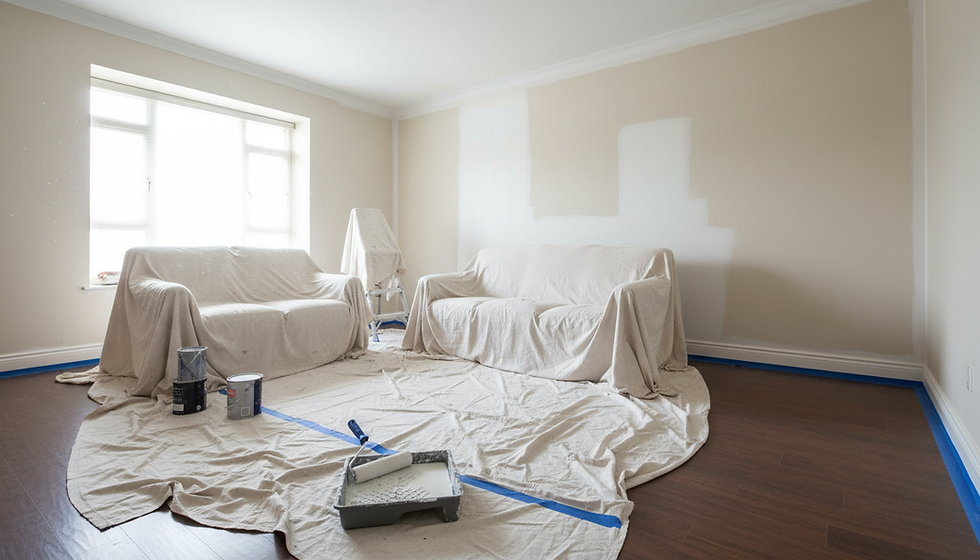
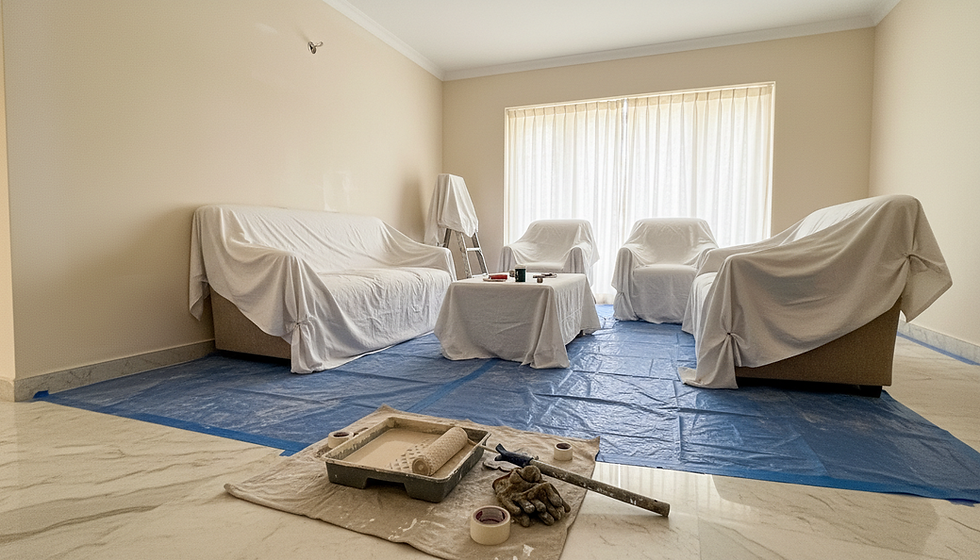
Protective coverings for floors and furniture prevent damage.
Cleanup and disposal of old paint or materials may be included or charged separately.
Ask Mister Paint for a detailed quote that includes all necessary services to avoid unexpected fees.
Seasonal Demand and Timing
The time of year can influence pricing. Painting companies may charge more during busy seasons like spring and summer when demand is high.
Scheduling your project during off-peak months can save money.
Booking early ensures availability and may lock in better rates.
Planning ahead with Mister Paint helps you find the best timing for your budget and schedule.
Understanding these factors helps you estimate the interior house painting cost more accurately. Mister Paint offers expert advice and transparent pricing to guide you through the process. Whether refreshing a single room or repainting your entire home, knowing what affects the cost empowers you to make smart choices.
Ready to transform your space with a fresh coat of paint? Contact Mister Paint today for a personalized estimate and professional service you can trust.
Blog Development Credits:
This blog was envisioned by Soumyajit Sardar, created with research support from advanced AI platforms like ChatGPT, Gemini, and Copilot. Final editing and SEO expertise were provided by Mister Paint.
Comments